

How to Build an Email Marketing Funnel to Drive Conversions
Build an email marketing funnel to drive conversions and nurture leads effectively. Improve lead generation and sales!

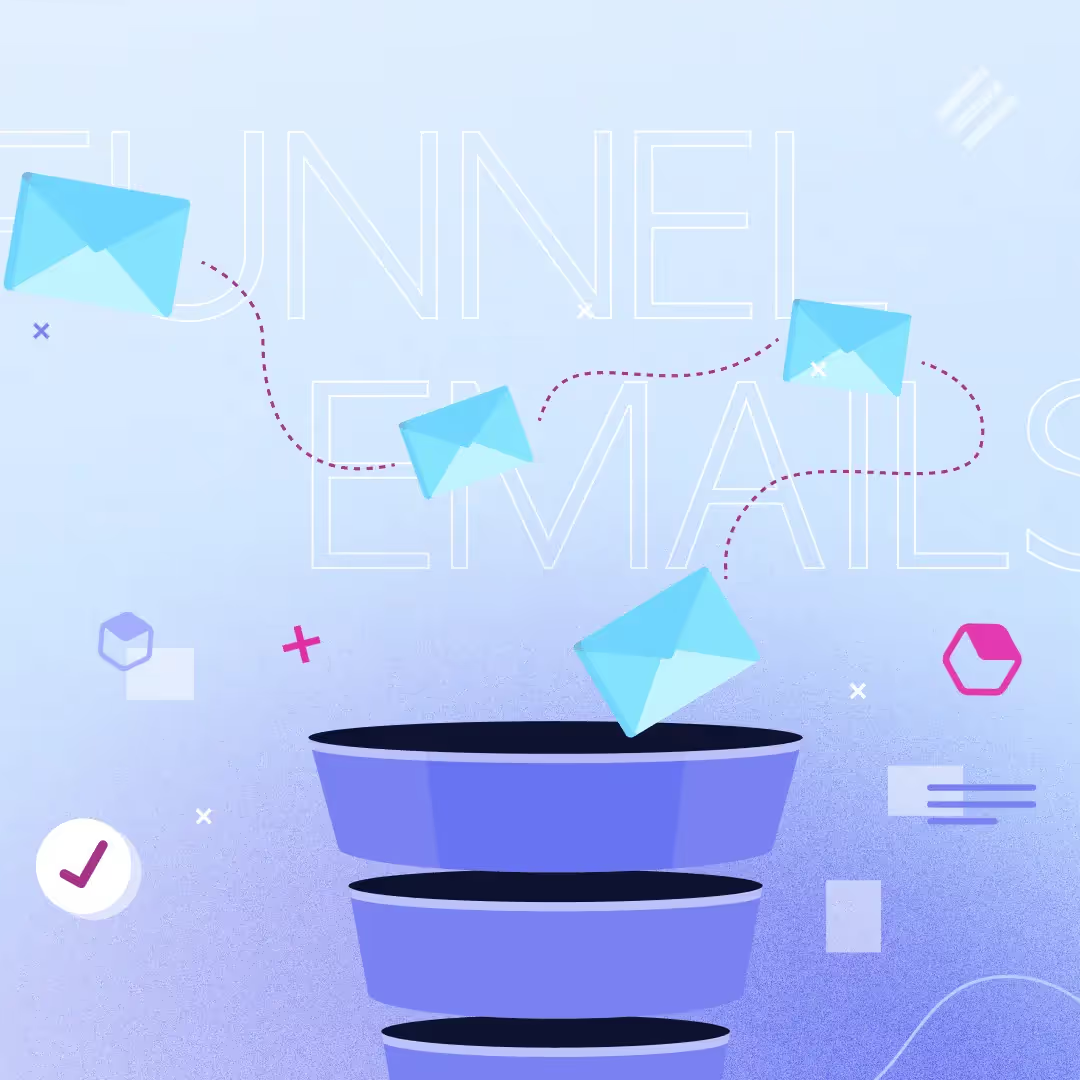
Customers need more than a discount offer to inspire them to make an online purchase. Offering your customers information about your company through an email funnel not only increases brand awareness but also helps increase customer trust in your brand. Research reveals that investing in an email marketing sales funnel will ensure that you reel in customers: 59% of customers say marketing emails influence their purchase decisions, and over half buy from marketing emails at least once a month.
What is a marketing funnel?
A marketing funnel is every step that transitions browsing visitors to buying customers, a system set up to attract visitors and convert them to your services. When it comes to your business's marketing funnel, prioritize tracking the main steps of the customer journey to see what's converting visitors into customers.
Stages of the marketing funnel
- Awareness. If customers don't know about you, they won't be able to buy from you. Put yourself out there through blogs, search engines, social media channels, or ads, and introduce yourself through giveaways, webinars, or informational emails.
- Interest. This is where you delve into the "why" of your product or service. Capture leads and explain the why through informational landing pages with targeted videos and detailed descriptions, then nurture those leads through email campaigns.
- Consideration. After interest is solidified, start building personalized content to better connect with customers. Personalized content generates a large share of revenue for businesses, so include touchpoints to understand customer needs and use CTAs after each one.
- Purchase. After nurturing your leads, customers near the bottom of the funnel and are considered sales qualified. Ask your customer to purchase and encourage them with customer reviews and bold CTAs like "buy now" or "register today."
- Retention. What keeps a customer loyal after their first purchase? Start planning how to keep them around, since the more loyal the customer, the better ROI you'll receive long term.
What is an email marketing sales funnel?
An email marketing sales funnel is a sequence of emails that work to move customers forward through the customer journey. Strong email marketing funnels have three key ingredients: offer something of value, prove authority, and motivate customers with a call to action. This approach preps your customer, building and nurturing the relationship while attracting new customers by educating them on your business's value and expertise.
Stage 1: Add value
Introduce the unique value your brand offers, such as a free, downloadable guide or other educational resource. The key here is not to do any selling; instead, attract the customer to your brand without asking for anything in return.
Stage 2: Build authority
Use your second email to convey authority, ideally by establishing your brand as a source of thought leadership. Send emails that play on customers' interests or demographics so they feel more connected to your brand and more inclined to buy.
Stage 3: Pitch your call to action
Now that you've established your brand as a valuable resource with impressive expertise, it's time to go in for the sale, transforming the copy and graphics into a more sales-like tone, talking money directly with the customer and offering a compelling discount without being too pushy.
How to build an email sales funnel
- Observe customer behavior. How long are customers spending on particular parts of your email or website? What are they clicking on? Focus on the way you design your CTAs and incorporate visuals and hyperlinks.
- Draw customers in. Reel in customers with valuable, personalized content, segmenting your emails to consistently grow your list, and geartlng your subject line tone toward your customers' personalities.
- Nurture with valuable content. Use landing pages or other valuable content to stand out as a leader among competitors, capturing leads before going in for the sale.
- Develop an email drip campaign. Drip email funnels are a sequence of automated emails sent according to circumstance, triggered by customer actions or on a scheduled basis, so question what your customer pain points are and how to reel them in.
- Retain your customers. Nurture your leads after purchase to build a trusting connection, using social media, giveaways, exclusive offers, and authentic thank you emails to develop that bond.
Each email of your campaign will take on different forms, so test these strategies and design elements. When it comes to email design, no matter what, make sure to include bold CTAs, compelling copy, and relatable graphics.
Articles to wet your whistle




Subscribe to our newsletter.
Dive into the world of unmatched copywriting mastery, handpicked articles, and insider tips & tricks that elevate your writing game. Subscribe now for your weekly dose of inspiration and expertise.