

11 Fundraising Email Best Practices with Examples
Learn fundraising email best practices with examples. Maximize donations and support for your cause!

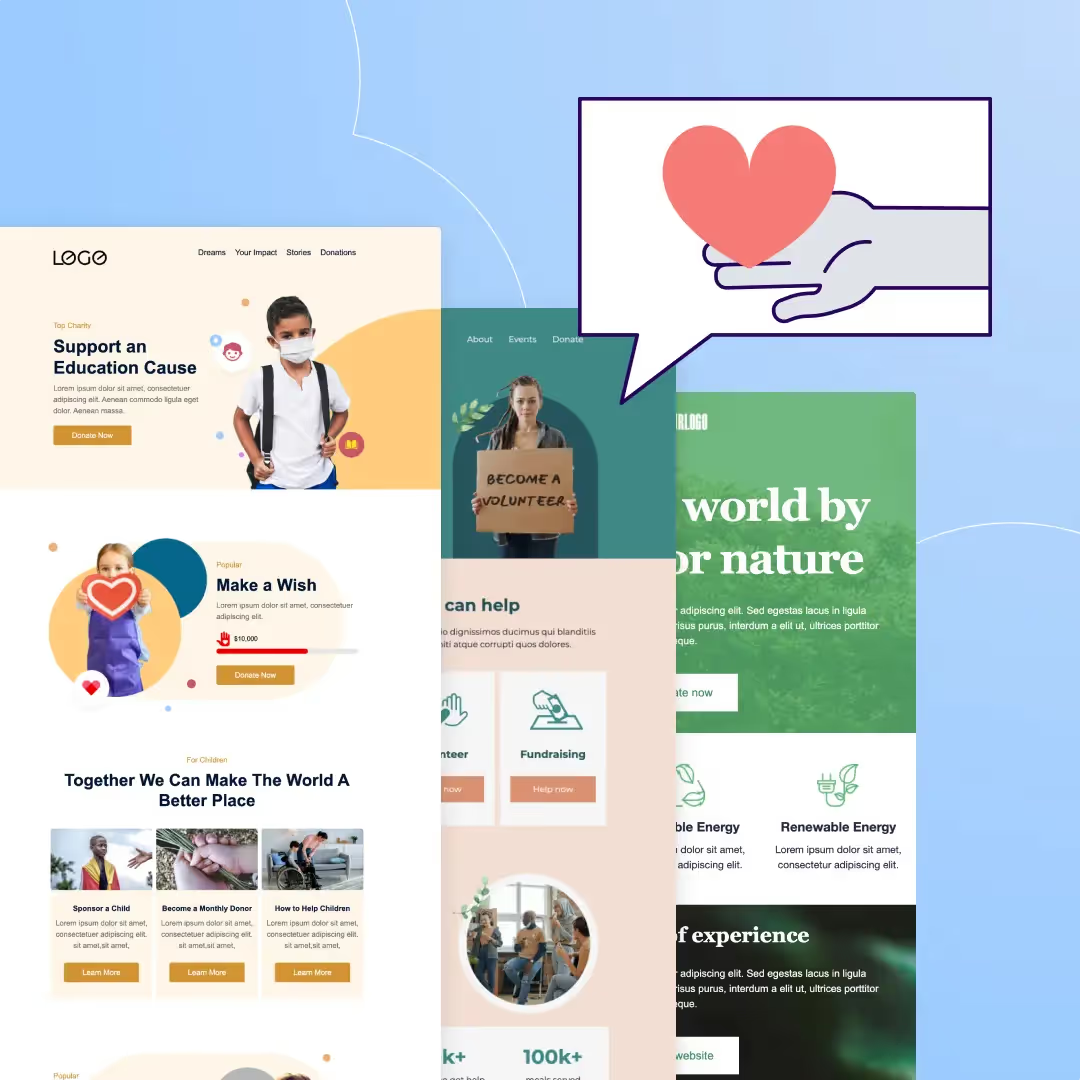
Fundraising is crucial for any non-profit organization, and sending emails is one of the most cost-effective ways to secure donations. In fact, nonprofits state that approximately 28% of their online revenue comes from email marketing, with a substantial ROI of $40 for every $1 spent. However, while financially it is a wise investment, email marketing takes brainpower. Due to the needed frequency of sending fundraising emails, they can get repetitive to readers, resulting in low open rates and donations. To be successful with email fundraising, it's critical to be strategic and create engaging content, applying best practices like segmentation, storytelling, and frequent optimization.
1. Invest time in the subject line and preview text
The subject line is an essential tool in driving recipients to open your email. Keep it short (no more than 50-60 characters), build urgency for time-sensitive campaigns, and consider asking a question to spark curiosity. Preview text should align with the subject line copy and can include a call-to-action for immediate visibility.
2. Create segments within your database
Segmentation is a proven way to make fundraising emails more effective and can drive more than half of email ROI. By creating segments based on demographics, psychographics, or behaviors, you can tailor emails to be more relevant. For example, a group of past donors can receive a message thanking them for their past donation and asking them to consider increasing it next time. Identify key criteria and track data regularly to keep your segmentation effective.
3. Build relationships with an email fundraising campaign
One-time emails might be effective, but an ongoing conversation through email campaigns often yields better long-term results. Personalize emails using segmented lists, referencing past interactions where relevant, and be consistent with your look and feel to reinforce your organization's branding.
4. Utilize storytelling to convey your message
Stories are a powerful way to build emotional connections and motivate people to act, providing context and helping donors envision the impact they could have. Use authentic content about real people or events rather than hypothetical, generalized language, and include visuals like photos or video messages to make the story more powerful.
5. Incorporate relevant visuals
Sometimes images can convey emotions more effectively than words, so consider using high-quality, relevant images to enhance your message and support your cause.
6. Highlight the impact of support
Communicating the impact of support can motivate people to contribute. Stories of impact drive engagement and build trust by showing the actual results donations can achieve. Use specifics, like "your $50 donation will help provide meals for 100 people," paired with visuals.
7. Use only one CTA
Be direct in your ask. As a best practice, only use one CTA per email to maintain focus on that specific goal, with a button to make the CTA stand out.
8. Make the giving process simple
An intuitive, straightforward donation process makes for an easy donor experience and increases the likelihood they'll give again. Use a clear CTA with short phrases like "Donate now" or "Join us," and send donors to a landing page for more instructions and a form to complete, keeping your email itself clutter-free.
9. Align your fundraising campaigns with other marketing efforts
Create a cohesive donor experience by incorporating other marketing touchpoints, like companion social media campaigns, alongside your email campaign to optimize resources and increase conversion rates across channels.
10. Time it right
The timing of your emails can impact their effectiveness. If you're new to email campaigns, late morning or early afternoon is generally recommended, and Tuesday, Wednesday, and Thursday tend to be the best days of the week to capture attention.
11. Optimize for mobile
A significant share of emails are opened on mobile devices, so ensure your text is readable on small screens. Responsive design adjusts content to fit different screen sizes, and prominent, easy-to-click CTAs help maintain engagement on mobile.
Best fundraising email examples
One nonprofit kept its message concise with a single, clear "Donate" CTA and an emotionally resonant image. Another highlighted impact directly in the copy, showing donors exactly how their contribution translates into results, like meals provided.
Articles to wet your whistle




Subscribe to our newsletter.
Dive into the world of unmatched copywriting mastery, handpicked articles, and insider tips & tricks that elevate your writing game. Subscribe now for your weekly dose of inspiration and expertise.